
The UAE doesn't need democracy
The gulf state's leaders can chart a course to something different, and better
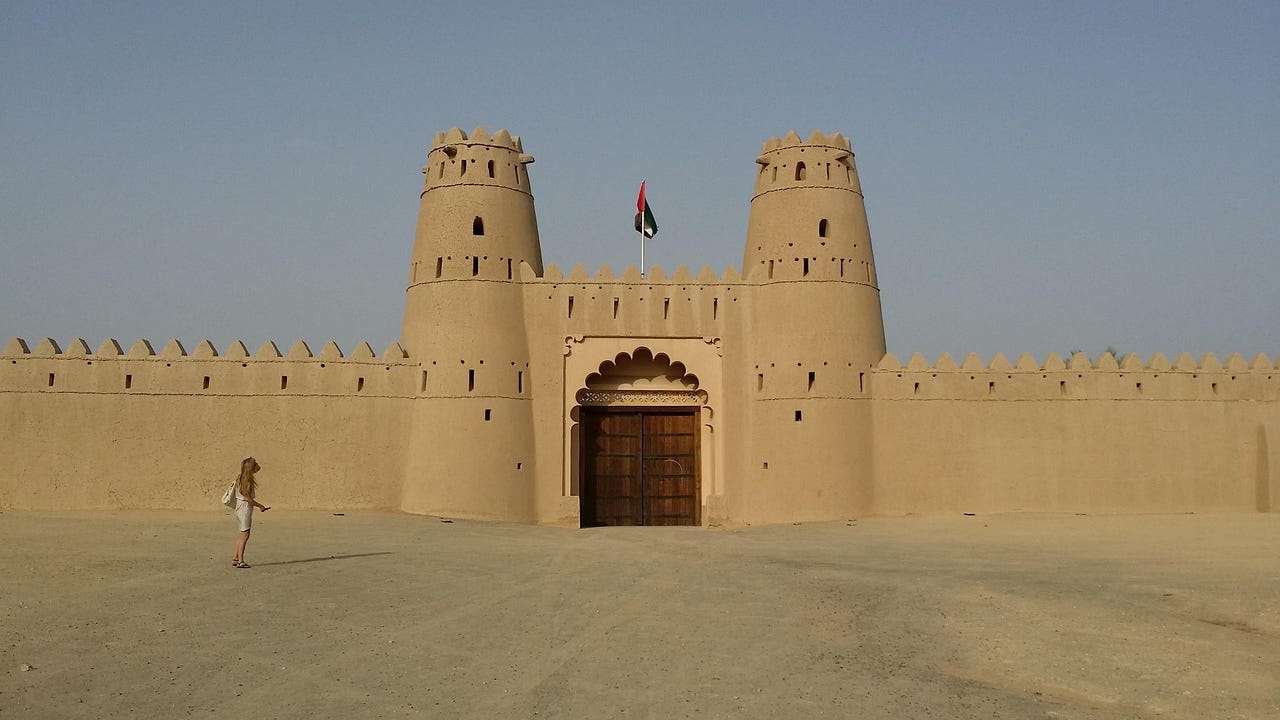
You may have fantasised about it: a dead-weight roommate being whisked cleanly away by state security forces in the dead of night. Reality for a few lucky Emiratis to whom government already renders a deluge of services: subsidised housing, free healthcare, free education with plentiful scholarships to study overseas, a job for anyone who raises their hand. All the state asks of them is to zip it. The dud roommate in this true story, a university student in Al Ain flirting with the Muslim Brotherhood, had not.
The UAE abuses human rights, and it is not democratic, but these things need not be linked. Like marble palaces, Lamborghini police cruisers, and gold-plated private jets, their abuses seem almost ornamental – gaudy and gratuitous – the done thing. Letting up would not only be harmless but beneficial - civil liberties without the hassle of marching to the polls every few years. After all, a private jet without the gold plating still flies.
In general, the UAE stifles freedom because it is petrified of Islamism, wherever it might take root. When Ahmed Mansoor, ‘the last human rights defender left in the UAE’, cobbled together a little internet forum to discuss goings-on and share his poetry, the regime, to his bewilderment, bristled. “Why has the UAE taken these steps?” he wondered aloud in a 2016 interview, “do we really need that in the UAE? Do we have a threat in the UAE? No.” A few months after that, he was arrested.
Islamism has nothing to offer the UAE. Giving citizens forums like Mansoor’s would allow them to arrive at that conclusion on their own. No better antidote to opposition exists than to let the public discover its worthlessness unimpeded. No better tonic for it exists than to suppress it. Frantically shushing opponents makes a regime reek of fear. It turned Mansoor, an amateur poet and gentle voice for reform, into a reluctant revolutionary. And a government currently seeking partnership with AI in drafting legislation might also have something to gain from a creative civil society. The UAE possesses treasures its neighbours should envy: young, highly educated, lucid professionals with visions of the world unclouded by censorship or fanaticism; and it has set about locking them up. It is not at all obvious that these people would vote for a radically different life.
Laying the UAE’s staggering success purely upon its oil wealth is selling it short. Resources like theirs are easy to squander, and they weren’t. Easier still to concentrate into the hands of a few, and they weren’t. Ingenuity, rather than the zeroes in its bank balance, is most responsible for its prosperity. Dazzling Dubai has almost no black gold at all. At the intersection of dozens of sad paths trodden by kleptocrats in nearby autocracies, the country’s founders imagined a different route. They can afford to venture further. The UAE could be a caregiver state sending migrant workers home with full pockets, rather than one which keeps them as slaves. It could be an oasis of home-grown art and inquiry in a part of the world largely barren of both. It could be a haven in a region with too few refuges and too many refugees. Democracy is neither necessary nor even helpful in effecting changes like these. The West’s system has not proven to be a very good liberalising force of late.
Relying too much on individuals’ morality. Breeding a lack of compassion for the vulnerable. Exploiting the have-nots with impunity. All counterarguments proffered by democrats, and things which democracy, too, does little to prevent. We have an optimistic sense which has lingered too long: that an election is the end of a successful crusade for liberty. Elections have, in reality, been the opening acts of an anthology of tragedies in the Middle East’s recent past. We happily join in the performance of the cause and then leave during the intermission. Self-determination is also how we wash our hands of foreign problems. Burgeoning democracies gone wrong are populated, so the logic goes, with consenting sufferers who are being penalised for their ineptitude at the ballot box.
The UAE need not be what it is, but the change desired by its detractors is unnecessary. The Sheikhs forget that it is their generosity, rather than their police and Pegasus protocols, which secures them. Perhaps they worry that giving more freedoms to the citizens of Moscow and Minsk increased their appetite for regime change. Those were run-of-the-mill kleptocracies. But the citizens of Abu Dhabi aren’t starving, and their leaders aren’t run-of-the-mill. Their ancestors imagined a new mode of governing which is once again ripe for innovation.